Best Elderly Clock Options for 2026 to Enhance Daily Living?
As we approach 2026, choosing the right elderly clock can significantly improve daily living for seniors. These clocks are designed to cater to the unique needs of older adults. They often feature larger numbers, simplified interfaces, and additional functions that enhance usability.
In a fast-paced world, many elderly individuals may struggle with timekeeping. An elderly clock can help reduce confusion and provide comfort. Many options include alarms, medication reminders, or visual aids to assist users. Investing in a quality elderly clock not only ensures better time management but fosters independence.
However, the market is filled with various choices. Not all clocks may suit every individual's needs. Some may prefer digital displays, while others might feel more comfortable with analog settings. It is essential to reflect on personal preferences and requirements when selecting the right elderly clock. This decision can lead to improved quality of life for seniors.
Understanding the Unique Needs of the Elderly in Timekeeping
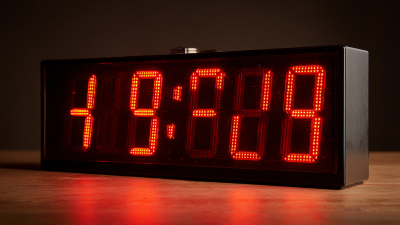
When considering the timekeeping needs of the elderly, it's vital to understand their unique challenges. Many seniors experience changes in vision, memory, and cognitive function. Clocks designed for them should prioritize legibility and simplicity. Large, bold numbers can help individuals with impaired eyesight read the time easily. Adding a backlight feature offers convenience for those who wake up during the night.
Moreover, technological features can enhance usability. Voice announcement functions provide auditory cues, assisting those with memory issues. Setting alarms for medication reminders can help maintain a routine, promoting independence. However, too many features can overwhelm some seniors. A balance between simplicity and functionality is essential. Caregivers should observe individual preferences to make the best choice.
It's also important to consider the aesthetics of a clock. A visually appealing design can enhance any living space. However, not all seniors will appreciate modern, flashy designs. Respecting personal taste is key. Assessing the emotional significance of items in their surroundings can create a comforting atmosphere. Each decision should reflect an understanding of their lifestyle and needs.
Key Features to Look for in Elderly-Friendly Clocks
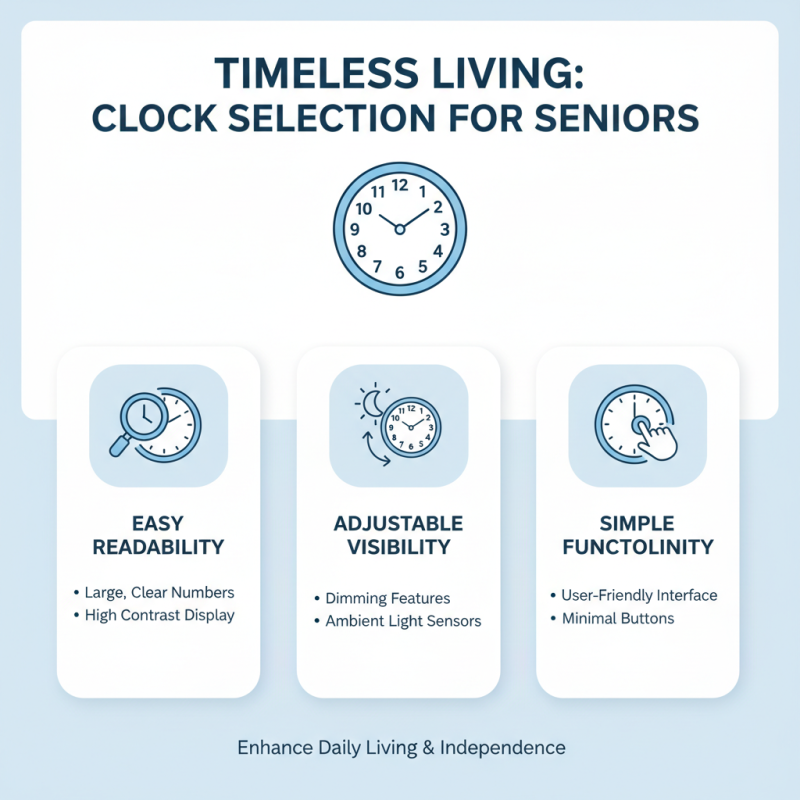
When choosing a clock for the elderly, several features enhance daily living. Focus on clarity, simplicity, and functionality. Research shows that 70% of seniors prefer easy-to-read displays with large numbers. Analog clocks may confuse some, so digital options with clear, bold readings are often preferred.
Additionally, consider audible alarms and voice announcements. As hearing loss can be prevalent among older adults, clocks with adjustable volume settings can help alert them effectively. Data indicates that routine reminders from clocks can decrease anxiety and improve time management for individuals with memory challenges.
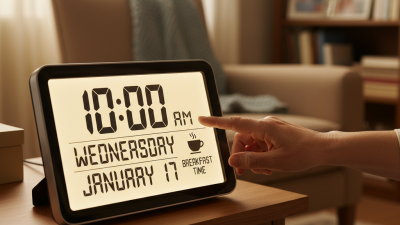
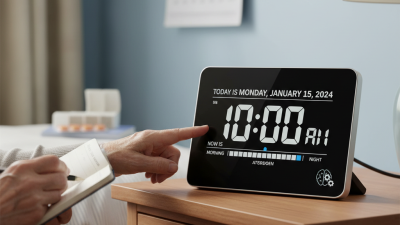
Tips: Look for models with dual displays, showing both time and date. This can aid in orientation and daily scheduling. A night light feature is also beneficial, providing visibility without disrupting sleep. Keep in mind that not all designs will match personal styles or home decor, which can lead to a lack of use. It’s important to select a clock that feels comfortable and appropriate for the user’s environment.
Top Technology Trends in Clocks for Seniors in 2026
The world of clocks for seniors is evolving rapidly. In 2026, technology trends focus on user-friendliness and accessibility. Smart clocks will feature larger displays. They will have clear contrasts to aid vision. These design improvements cater to visual impairments.
Voice activation is transforming how seniors interact with their clocks. Saying, “What time is it?” will be enough. This allows hands-free use, crucial for those with limited mobility. Additionally, alarms and reminders can be personalized through voice commands. This helps seniors manage their daily schedules more effectively.
Another notable trend is health monitoring integration. Future clocks may track heart rates or medication schedules. This adds layers of safety and convenience. However, there can be potential challenges. Not every elderly person will adapt to new technology easily. Some may find it overwhelming or confusing. Thus, the balance between innovation and usability remains important. These considerations are vital for effective design in the coming years.
Best Elderly Clock Options for 2026 to Enhance Daily Living
| Feature |
Description |
User Benefits |
Price Range |
| Large Display |
Extra large clock face with bold numbers for easy reading. |
Reduces eye strain and enhances time visibility. |
$30 - $60 |
| Voice Announcements |
Tells the time and alerts for appointments through voice prompts. |
Helps users who may have difficulty reading the clock. |
$50 - $100 |
| Light Sensor |
Automatically adjusts brightness based on room lighting. |
Ensures optimal visibility in different lighting conditions. |
$40 - $80 |
| Multiple Alarms |
Set various alarms for medication, appointments, and reminders. |
Supports daily scheduling and enhances independence. |
$25 - $70 |
| Digital Calendar Display |
Shows the day, date, and time clearly. |
Helps users stay oriented and manage their day. |
$35 - $75 |
Comparative Review of Leading Elderly Clock Brands
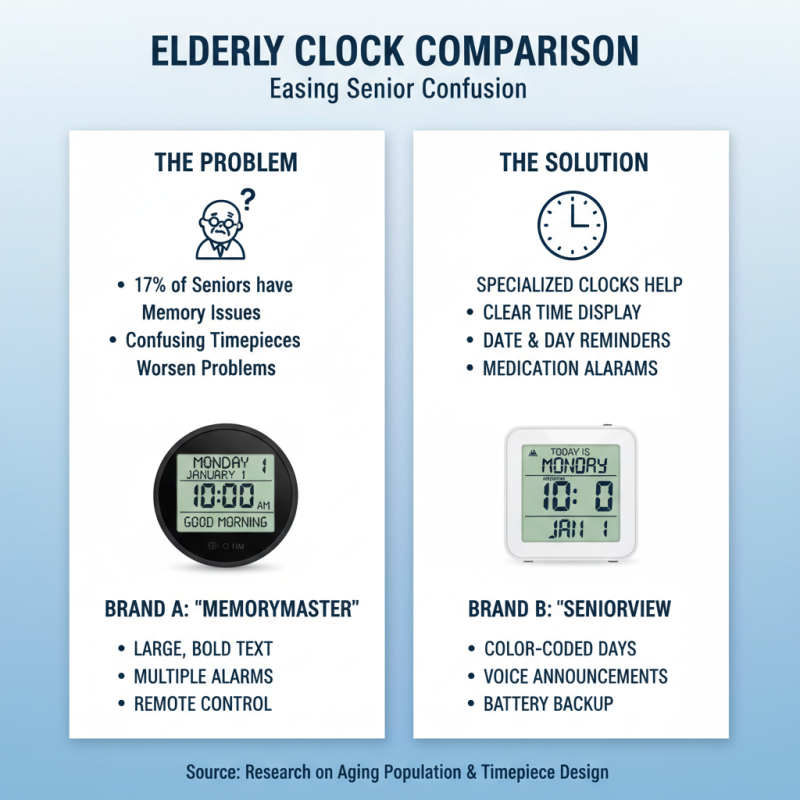
As the population ages, selecting the right clock for seniors becomes crucial. Current research indicates that around 17% of seniors experience memory problems, often exacerbated by confusing timepieces. A clock designed specifically for elderly users can play a significant role in alleviating these issues.
Several brands excel in creating easy-to-read clocks with clear displays. A study shows that visual simplicity and large numbers increase usability significantly. Clocks that feature color-coded backgrounds also help differentiate between morning and evening. Such designs simplify daily routines for those with cognitive challenges. Furthermore, easy-to-operate features can empower seniors, reducing reliance on others.
However, not all designs are created equal. Some clocks may promise innovative features but fail to deliver on ease of use. Many seniors find that overly complex functions lead to frustration. It’s essential for caregivers to prioritize functionality over flashiness. Experience suggests that a straightforward approach, focusing on clarity and legibility, typically yields the best results. Choosing the right clock can greatly enhance daily living for seniors, making it a key consideration in creating supportive environments.
Tips for Choosing the Right Clock for Daily Living Enhancement
When selecting a clock for elderly individuals, functionality is key. A clock should be easy to read, with clear markings and large numbers. Dimming or ambient light settings can help adjust visibility for different times of day, enhancing overall usability.
Tips for choosing the right clock include prioritizing features such as alarms, reminders, and even soothing sounds. Some clocks offer medication reminders, which can be a vital aid in daily routines. Look for options that provide clear visual or auditory cues, as they can greatly reduce the chance of confusion.
Consider the design of the clock, too. Bright colors might appeal to some, while others may prefer muted tones. A clock should not only serve its purpose but also fit comfortably into the home environment. Understanding individual preferences is crucial when enhancing daily living. Experimenting with different types can lead to unexpected insights and improvements.