How to Choose the Perfect Kids Clock for Your Child's Room
When it comes to decorating your child's room, one essential item that often gets overlooked is the Kids Clock. A Kids Clock not only serves a practical purpose but also adds a playful and vibrant touch to the room’s decor. With various designs, colors, and functionalities available, choosing the perfect Kids Clock can sometimes feel overwhelming. However, it’s important to consider factors such as the clock's style, the educational aspect of time-telling, and how well it fits into your child’s personality and interests. This blog will guide you through the key elements to look for when selecting a Kids Clock, ensuring that you find a timepiece that is not only visually appealing but also a valuable learning tool for your little one. Whether you're aiming for fun shapes, interactive features, or educational designs, let's explore how to make the best choice for your child's space.
Tips for Selecting the Right Clock Style for Different Age Groups
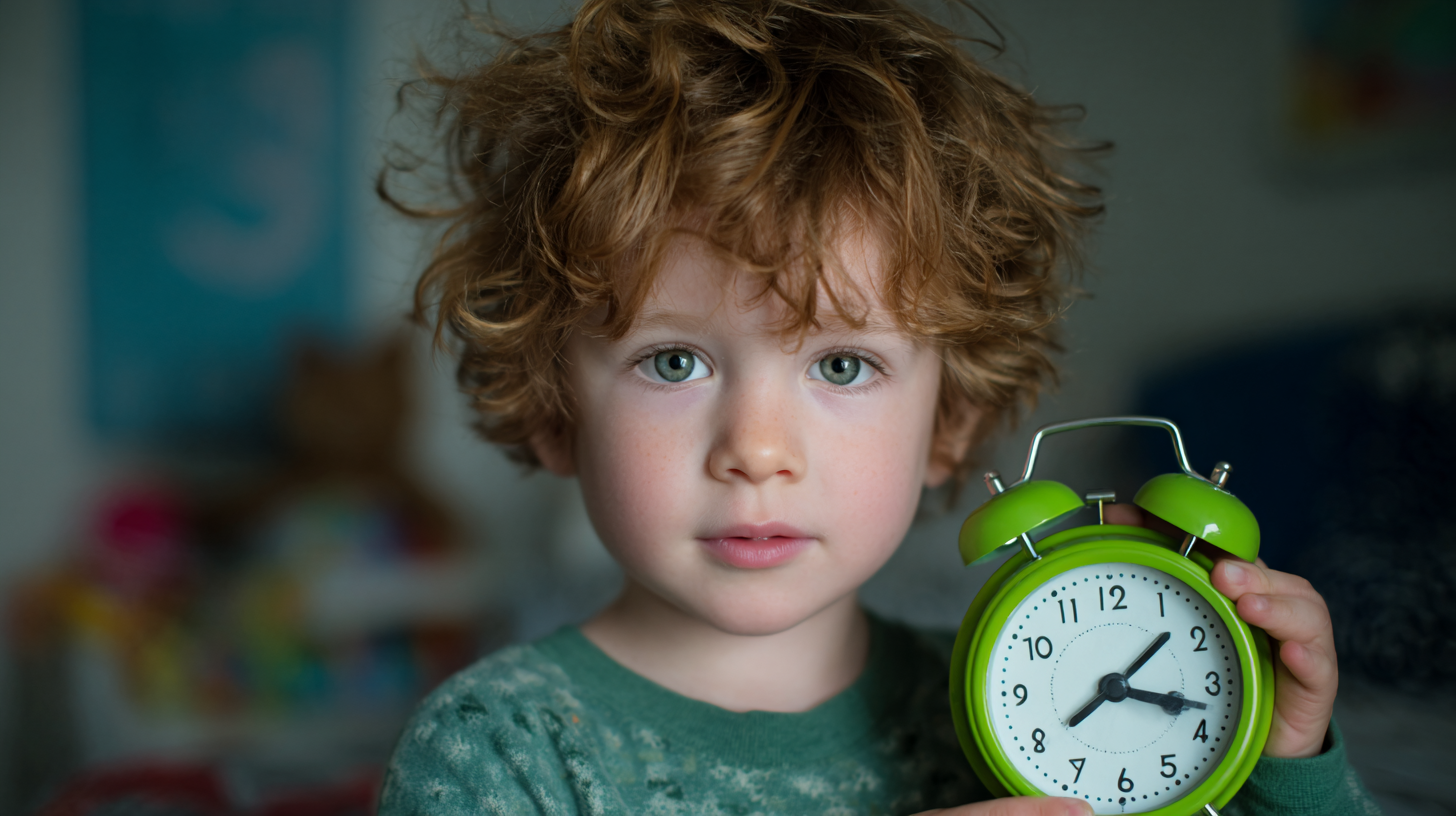
When choosing the perfect kids clock for your child's room, it's essential to consider their age and developmental stage. Younger children might benefit from brightly colored clocks with fun shapes and designs that capture their attention. For toddlers, clocks that feature simple numbers and use images to depict time-related activities can help them grasp the concept of time more easily. Look for clocks that incorporate playful elements such as singing, lights, or exciting animations to make telling time a fun experience.
As children grow, their taste and needs change. For school-age children, selecting a clock that is both functional and stylish becomes important. Consider clocks that feature digital displays or those that can serve dual purposes, such as alarm clocks with radio features. This is also a great age to introduce clocks that emphasize independence, encouraging them to be responsible for their own wake-up times. By involving your child in the selection process, you can ensure they’re excited about their new clock while also fostering a sense of ownership and responsibility.
Understanding the Functional Features to Look for in Kids’ Clocks
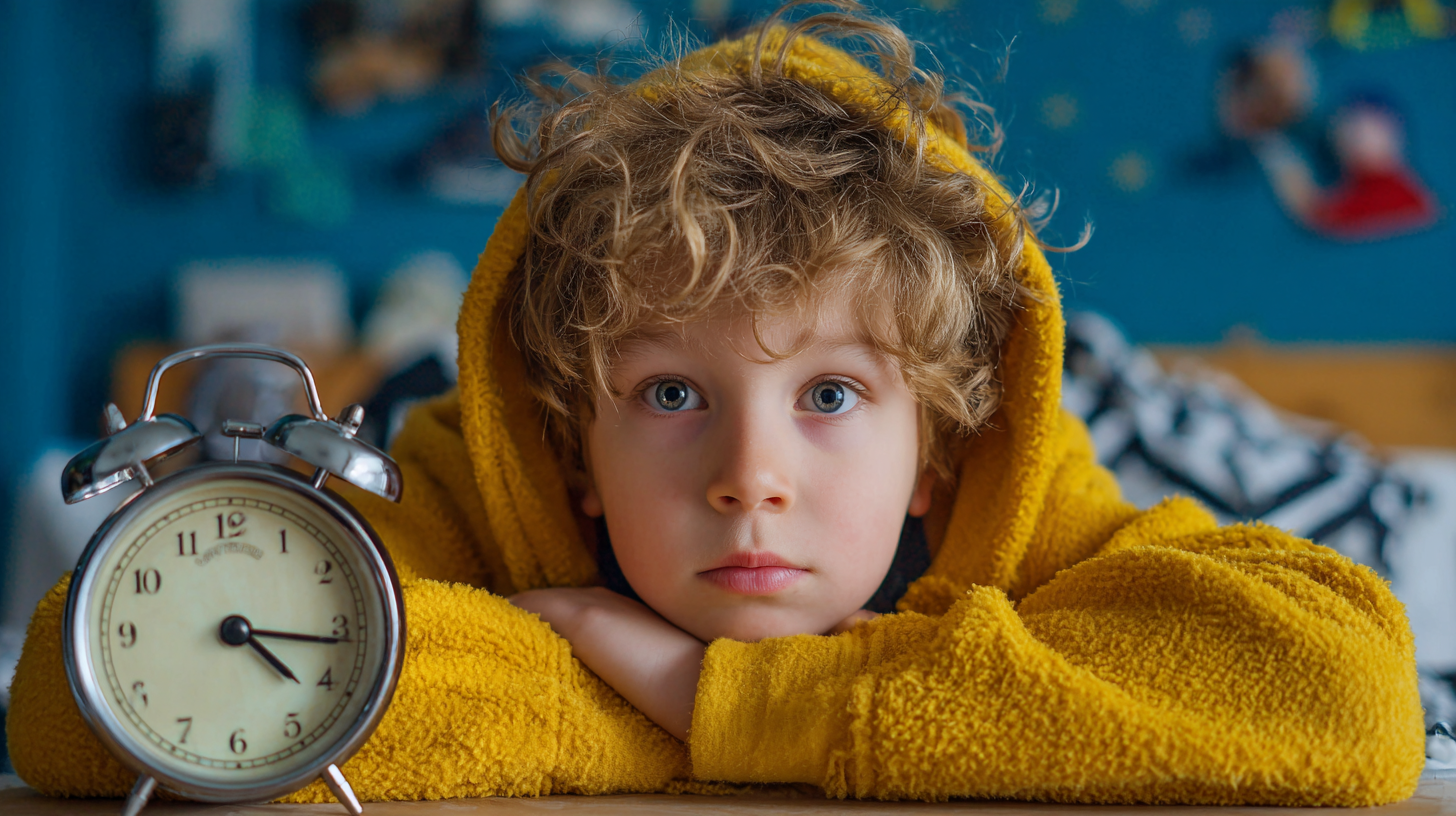
When selecting the perfect clock for your child's room, it's essential to understand the functional features that cater to their developmental needs. According to a recent survey by the National Sleep Foundation, children aged 6-13 require between 9 to 11 hours of sleep per night. A well-designed kids' clock can aid in establishing healthy sleep routines by incorporating nightlights and sleep timers. These features not only promote a calm bedtime atmosphere but also assist children in understanding the concept of time, which is crucial for their cognitive development.
Additionally, clocks with interactive elements can significantly enhance a child's learning experience. Research by the American Educational Research Association highlights the importance of hands-on learning tools for young children, suggesting that clocks with movable hands can help reinforce the basics of telling time. Features like colorful designs, fun characters, and sounds can also make learning more engaging. By selecting clocks that combine aesthetics with functionality, parents can encourage their children to develop a sense of responsibility and time management from an early age.
How to Choose the Perfect Kids Clock for Your Child's Room - Understanding the Functional Features to Look for in Kids’ Clocks
| Feature |
Description |
Importance |
| Size |
The size of the clock should be easily visible from a distance. |
High |
| Design |
Colorful designs or themes that appeal to children. |
Medium |
| Materials |
Durable and safe materials, preferably non-toxic. |
High |
| Type of Display |
Digital or analog displays to teach time-telling. |
High |
| Alarm Function |
Ability to set alarms for waking or reminders. |
Medium |
| Learning Features |
Built-in educational content for telling time. |
High |
| Noise Level |
Quiet ticking or silent to avoid distractions. |
Medium |
How to Choose a Clock that Complements Your Child's Room Decor
When choosing a clock for your child's room, it’s essential to consider how well it complements the existing decor.
According to the National Sleep Foundation,
a well-decorated space can enhance a child's sleep quality, and the right clock can play a pivotal role in this environment.
For instance, if your child's room features a whimsical theme, opting for a clock shaped like an animal or star
can add a playful touch while serving its practical purpose.
Moreover, the color scheme of the clock should harmonize with the overall palette of the room.
Research from the Journal of Environmental Psychology indicates that specific colors can influence mood and behavior,
making it vital to choose a clock in shades that evoke calmness, like soft blues or greens.
A well-chosen clock not only helps children learn to tell time but can also be a stylish addition that ties the room together,
ensuring that functionality and aesthetics go hand in hand in your child's sanctuary.
The Importance of Color and Design in a Clock for Learning Time
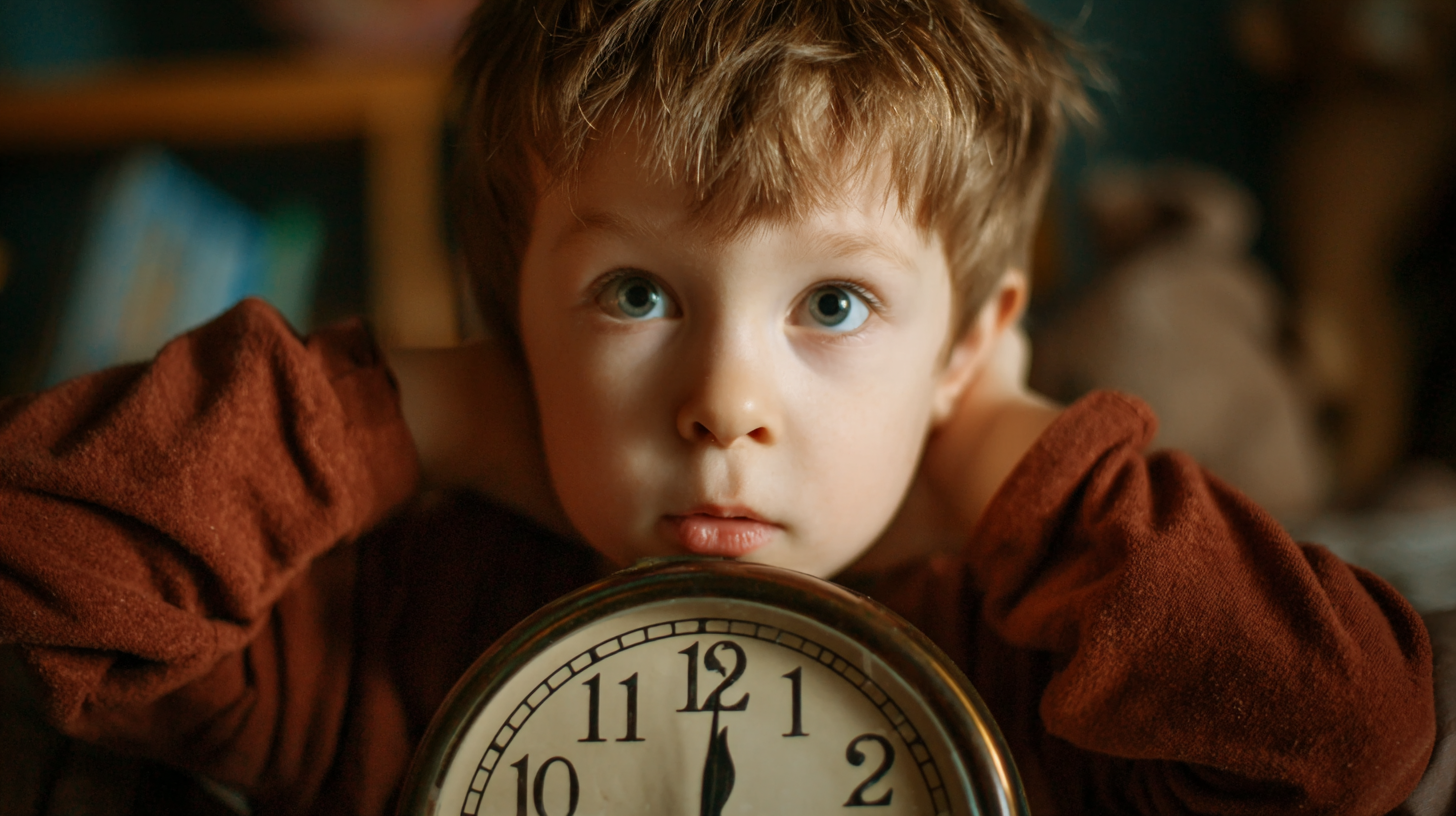 When selecting a clock for your child's room, the importance of color and design cannot be overstated. A well-designed clock can serve as both a practical tool for teaching children how to tell time and a vibrant addition to their space. Bright, engaging colors can capture a child's attention and stimulate their interest in learning. For instance, a clock adorned with fun characters or whimsical shapes can transform the mundane task of checking the time into an enjoyable experience.
Moreover, the clock's design should cater to the developmental stage of your child. For younger children, using analog clocks with clear markings and contrasting colors can aid in understanding the concept of time more effectively. On the other hand, slightly older children might appreciate more modern designs that are visually appealing and still functional. Ultimately, the right combination of color and design not only enhances aesthetics but also reinforces the learning process, making time-telling feel less like a chore and more like a fun adventure.
Safety Considerations When Buying a Clock for Your Child’s Bedroom
When selecting a clock for your child's bedroom, safety should be your top priority. Look for clocks that meet stringent safety standards, ensuring they are made from non-toxic materials. Avoid clocks with sharp edges or small parts that could pose a choking hazard. Additionally, consider the design and whether or not it features secure mounting options for wall clocks, as this can prevent any accidental falls.
Another aspect to consider is the clock's power source. Battery-operated clocks are often safer than electric ones, particularly in a child's room where they may be prone to playing with switches or cords. Ensure the clock has a sealed battery compartment, preventing little hands from accessing batteries. Furthermore, clocks with gentle light features or quiet ticking mechanisms can create a soothing nighttime environment, promoting better sleep for your child while keeping safety in mind. Remember to discuss with your child why these safety measures are important, fostering a sense of responsibility from an early age.