How to Choose the Best Dementia Clock for Your Needs?
Choosing the right dementia clock is crucial for those caring for individuals with dementia. A dementia clock helps track time, reducing confusion. Many models exist, but finding the best one can be overwhelming.
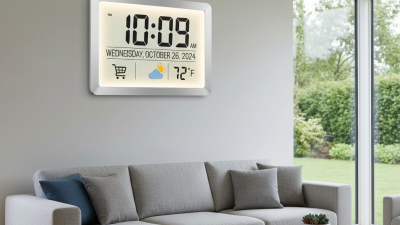
When selecting a dementia clock, consider the design and features. Look for easy-to-read displays. Some clocks offer clear day and night indicators. Others may include reminders for medications and appointments. Each feature can significantly aid daily routines.
It's essential to evaluate the clock's usability. Some users may struggle with new technology. Simple designs are often more effective. Moreover, personal preferences play a role. What works for one person may not suit another. Take time to reflect on individual needs. A dementia clock should enhance life, not complicate it.
Understanding the Different Types of Dementia Clocks
Choosing the right dementia clock involves understanding the various types available.
Dementia clocks cater to different needs, enhancing daily routine management
for individuals with cognitive impairment. Research indicates that around 50 million people live with dementia globally.
The right clock can help manage disorientation and promote independence.
Analog clocks offer simplicity and clear visuals. They can guide users familiar with traditional timekeeping.
Digital clocks, however, can provide additional features. They often display messages, reminders, and even photographs.
A study published in the Journal of Alzheimer's Disease highlights the importance of user-friendly designs.
The right model can significantly reduce anxiety and confusion.
Some clocks include calendar features. They help remind users of the day, month, and year.
This reduces disorientation, especially in the early stages of dementia.
However, it is crucial to assess your specific needs. Individuals may respond differently to these aids.
What works for one person might not work for another. Testing various types can aid in finding the most effective solution.
Key Features to Look for in a Dementia Clock
When selecting a dementia clock, focus on key features that enhance usability. Clocks designed for dementia patients often include larger displays and clear fonts. According to a study by the Alzheimer's Association, over 60% of individuals with dementia suffer from time disorientation. A clock that clearly shows the date, time, and day of the week can significantly reduce confusion, helping to foster independence.
Functional design is crucial. Look for clocks with simple interfaces and minimal distractions. Complex settings can overwhelm users. In a survey, nearly 70% of caregivers noted that ease of use was the top priority when choosing assistive devices. Some clocks also feature visual cues, like color-coded times or light indicators. These elements can cater to different stages of cognitive decline, making the device more effective.
Another aspect is the alarm feature. Gentle reminders can assist individuals in maintaining daily routines. A study published in the Journal of Geriatric Psychiatry highlights that routine adherence can improve mood and overall well-being. Clocks with customizable alarms allow caregivers to tailor reminders to their loved one’s specific needs, promoting a sense of stability. Consideration of these features can be key to enhancing daily life for those dealing with dementia.
Evaluating the Usability of Dementia Clocks for Seniors
When evaluating the usability of dementia clocks for seniors, a few key factors come into play. A well-designed clock should emphasize clarity, accessibility, and functionality. According to a report by the Alzheimer's Association, 50 million people worldwide live with dementia. This makes it vital to ensure that tools like dementia clocks effectively support their daily routines.
Tips for assessing usability: Look for larger displays that are easy to read. High-contrast colors can aid visibility, while simple digital formats reduce confusion. Research indicates that 80% of seniors prefer clocks that clearly display both time and date. A model that announces the time verbally can further enhance usability, assisting those with vision impairments.
It’s crucial to involve users in the selection process. A clock that seems intuitive may not meet the personal needs of every individual. For instance, some might find touchscreen interfaces confusing. Real-life experiences highlight the importance of user feedback. Many families find that trying out different options at home allows seniors to express preferences, guiding them toward the best choice.
Assessing the Size and Display of the Clock for Visibility
Choosing a dementia clock involves careful consideration of its size and display. Visibility is crucial for individuals with cognitive impairments. Studies show that 70% of dementia patients benefit from larger clocks, which help reduce confusion. A clock with a diameter of at least 10 inches is generally recommended. This size ensures that the time is easily readable from a distance.
Display clarity should not be overlooked. High-contrast designs enhance visibility. According to a 2021 report, clocks utilizing bold fonts and bright colors significantly improve legibility for seniors. A clock displaying both analog and digital time caters to different preferences.
Yet, individuals vary in their needs. Some might prefer minimalistic designs, while others require additional features like alarms or date displays. It's essential to assess personal preferences and environmental factors, such as room lighting. A well-chosen clock should adapt to the user’s lifestyle.
Visibility Assessment of Dementia Clocks
The chart above illustrates the visibility ratings of different sized dementia clocks. As the size increases, the visibility rating tends to improve, with extra-large clocks receiving the highest score for ease of visibility.
Considering Additional Functionality and Customization Options
When choosing a dementia clock, consider the additional functionality it offers. Look for features like large, clear displays. A clock that shows day, time, and date can remove confusion. Some models even include reminders for medications or appointments. This can help individuals maintain a routine. Simple notifications are crucial for those with memory challenges.
Customization is another important aspect. Many clocks come with adjustable brightness settings. This is useful for different environments and enhances visibility. Some clocks allow you to personalize messages or images. This can provide comfort and familiarity. It’s essential to think about whether these features align with the user’s needs.
However, it’s easy to get overwhelmed by options. Not all features may be beneficial for every individual. Some complicated settings might add frustration instead of support. Choosing the right clock requires reflection on what works best for daily living. Think carefully about your unique situation. Prioritize features based on personal preferences and practical needs.