How to Choose the Best Alzheimer Clock in 2026?
Choosing the best Alzheimer Clock in 2026 requires more than comparing screen size, price, or attractive features. It requires understanding how dementia affects time perception, memory, vision, hearing, and daily confidence. The World Health Organization’s Global Status Report on the Public Health Response to Dementia estimates that more than 55 million people live with dementia worldwide. Nearly 10 million new cases occur each year. These figures show why simple orientation tools deserve careful attention.
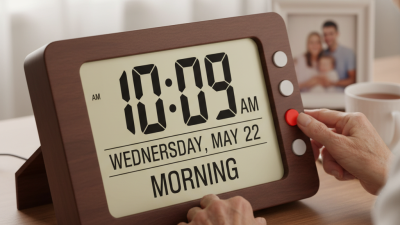
A useful Alzheimer Clock can display the day, date, time, and part of the day in large, readable text. Some models also provide reminders, medication prompts, alarms, or remote caregiver support. The Alzheimer’s Association 2025 Alzheimer’s Disease Facts and Figures reports that 7.2 million Americans aged 65 and older are living with Alzheimer’s dementia. Many families therefore need practical support inside ordinary homes, not complicated technology that creates frustration. A bright display beside a bed may be more valuable than a crowded dashboard.
However, no clock works equally well for every person. Hearing loss, low vision, nighttime confusion, language preferences, and changing symptoms can alter the decision. Independent living may also change over time. That part is easy to underestimate. This guide compares display clarity, accuracy, setup, safety, privacy, connectivity, and caregiver usability. It also considers evidence from WHO guidance, Alzheimer’s Association data, and established accessibility principles. Readers should treat product claims carefully, because convenience does not prove clinical benefit. The best Alzheimer Clock is the one a person can understand, accept, and use consistently. Sometimes, the simplest choice remains the strongest one.
What an Alzheimer Clock Is and How It Supports Daily Orientation
An Alzheimer clock is more than a device that shows time. It combines a clear clock face with the day, date, and part of the day. Some models also display reminders or room information. This layout can reduce confusion when morning and evening feel similar. Large letters, strong contrast, and simple wording matter more than decorative features.
The best Alzheimer clock in 2026 should support daily orientation without demanding difficult decisions. A person may wake at 7:30 and ask, “Is it morning?” A visible display saying “Tuesday, 7:30 AM” can provide a gentle answer. Choose a clock that remains readable from a chair or bed. Check brightness, viewing angles, power options, and whether settings are easy for a caregiver to change. Too many icons may create stress instead of reducing it.
Caregivers should observe real use for several days. Does the person look at the clock independently? Do reminders help, or do they become distracting? Dementia care professionals often value consistency, familiar routines, and calm visual prompts. A clock cannot replace conversation, supervision, or medical advice. It may also be misunderstood during illness or advanced cognitive decline. That limitation is easy to overlook. The most useful choice is usually the clearest one, placed where everyday questions naturally arise.
Key Features to Compare in Alzheimer Clocks
How to Choose the Best Alzheimer Clock in 2026?
Key Features to Compare in Alzheimer Clocks
Choosing an Alzheimer clock requires more than checking its screen size. Look for large, high-contrast numbers that remain readable from across the room. A clear display should show the time, day, date, and part of the day, such as morning or night. This can reduce confusion during daily routines. Automatic daylight-saving adjustments may also prevent avoidable mistakes. Still, no display works perfectly in every home. Glare, poor lighting, and changing eyesight can affect readability.
Compare the clock’s controls carefully. Simple buttons are usually safer than complicated menus. Useful features may include adjustable brightness, a backup battery, and gentle reminders for meals or appointments. Check whether reminders can be silenced easily. Loud alerts may cause distress for some people. In care settings, professionals often recommend testing the clock beside the bed, near a chair, and in the kitchen. The best location may not be the most obvious one.
Tips: Ask the person who will use it to read the display at different times of day. Test the clock for one week before relying on its reminders. Keep instructions nearby, but avoid unnecessary buttons. Review privacy settings if the device connects to an app or network. I would also question impressive features that nobody uses. Simplicity often matters more than technology.
Safety, Usability, and Accessibility Factors to Evaluate
Choosing the best Alzheimer clock in 2026 requires more than reading large numbers. It requires observing how a person actually uses time information. The 2024 Alzheimer’s Disease Facts and Figures report estimates that 6.9 million Americans aged 65 and older live with Alzheimer’s disease. Many receive care at home, where a confusing display can increase anxiety, missed meals, or nighttime wandering.
Safety should guide the physical design. Choose a stable clock with rounded edges, secure mounting, and a backup power source. A dimming function matters because bright light can disturb sleep. The display should show the day, date, and time clearly. High contrast helps users with reduced vision. Avoid crowded symbols and unnecessary animations. The World Health Organization reports that more than 55 million people live with dementia worldwide, so accessibility cannot assume one language, culture, or household routine.
Usability deserves a real-life trial. Ask the user to identify “Tuesday morning” without assistance. Test the clock in daylight and near a bed. Caregivers should check whether settings remain simple after a power interruption. The National Institute on Aging supports consistent routines and clear environmental cues, but a clock alone cannot solve confusion. It may even frustrate someone when the date changes too quickly. That is an easy detail to overlook. Select adjustable text, language, brightness, and alarm features. Review privacy controls if the clock connects to an app. Feedback from the user should outweigh a specification sheet.
How to Choose the Best Alzheimer Clock in 2026?
Safety, usability, and accessibility factors to evaluate
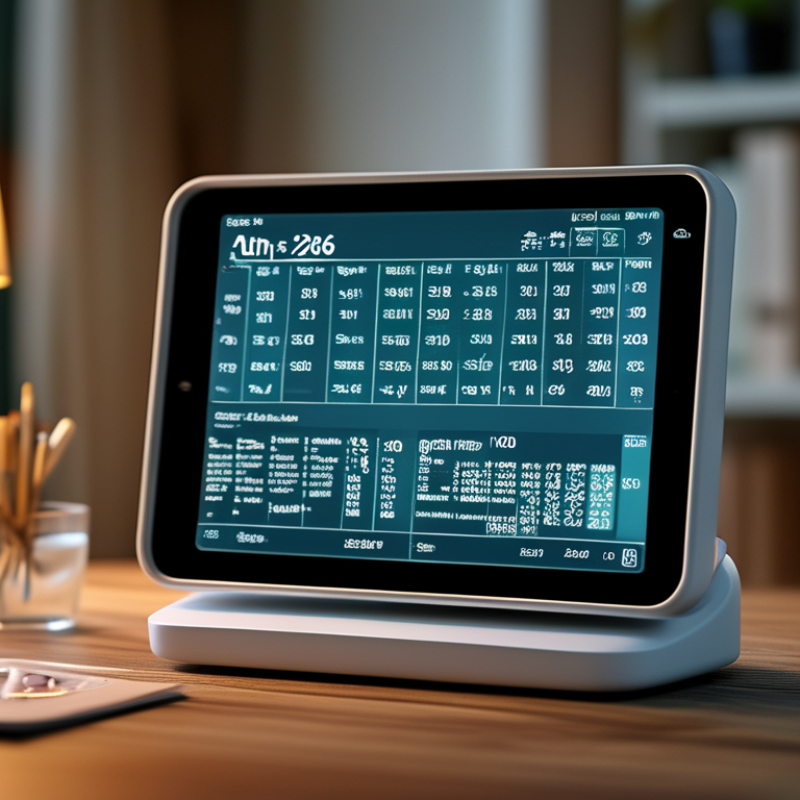
This evaluation framework prioritizes features that support people with memory loss: clear day-and-date information, high-contrast readability, simple operation, dependable time accuracy, and safe nighttime visibility. The percentages represent suggested decision weights rather than company or brand performance data.
How to Select, Set Up, and Review the Best Clock in 2026
Choosing the best Alzheimer clock in 2026 starts with the person using it, not the feature list.
Look for a large, high-contrast display showing the day, date, and time clearly. A simple layout can reduce confusion during early mornings or nighttime waking. Avoid unnecessary icons, flashing lights, and complicated menus. Consider hearing, vision, mobility, and room lighting. Battery backup matters during short power failures. A quiet alarm may be helpful, but some users find any alarm upsetting.
Set the clock where it can be read without standing up. A bedside table or a familiar wall may work well. Adjust brightness before bedtime, then check whether the screen creates glare. Match the displayed time with the person’s daily routine. Test alarms with a caregiver present. Keep written instructions nearby, although the user may never read them. Small details matter.
Review the clock after several days, not after one quick test.
Ask whether the person checks it independently or still asks repeated time questions. Watch for frustration, incorrect date recognition, or disrupted sleep. Caregivers can record these observations briefly. A clock that looks advanced may still be unsuitable. I would not treat one successful morning as proof. Needs can change quickly. If confusion worsens suddenly, seek medical advice rather than blaming the clock.