How to Choose the Best Kids Clock for Your Child's Room?
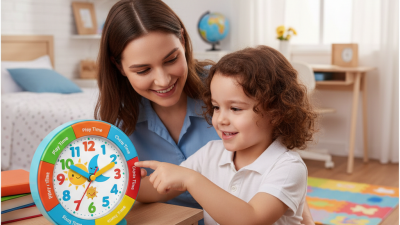
Choosing the best kids clock for your child's room can be a daunting task. With so many options available, it's essential to consider both design and functionality. Renowned child development expert Dr. Emily Stone once said, “A well-designed kids clock can teach children the value of time.” This highlights the importance of choosing a clock that not only fits the room decor but also serves a practical purpose.
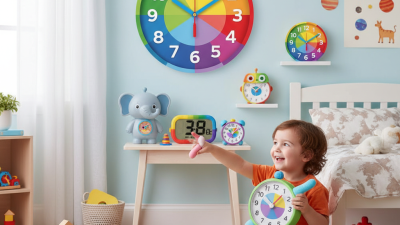
When selecting a kids clock, look for features like colorful designs and clear, easy-to-read numbers. Children are attracted to visuals. A playful theme can make learning about time more engaging. However, some clocks may be too complex, confusing young minds instead of helping them. It's crucial to strike a balance between fun and educational value.
Moreover, consider the size and durability of the clock. It should be accessible for your child but not easily breakable. After all, the best kids clock is not just about keeping time. It’s about enhancing their room and encouraging responsibility. Reflect on what qualities are essential for your child's needs. Find a clock that brings both joy and learning into their lives.
Understanding the Importance of Clocks in Child Development
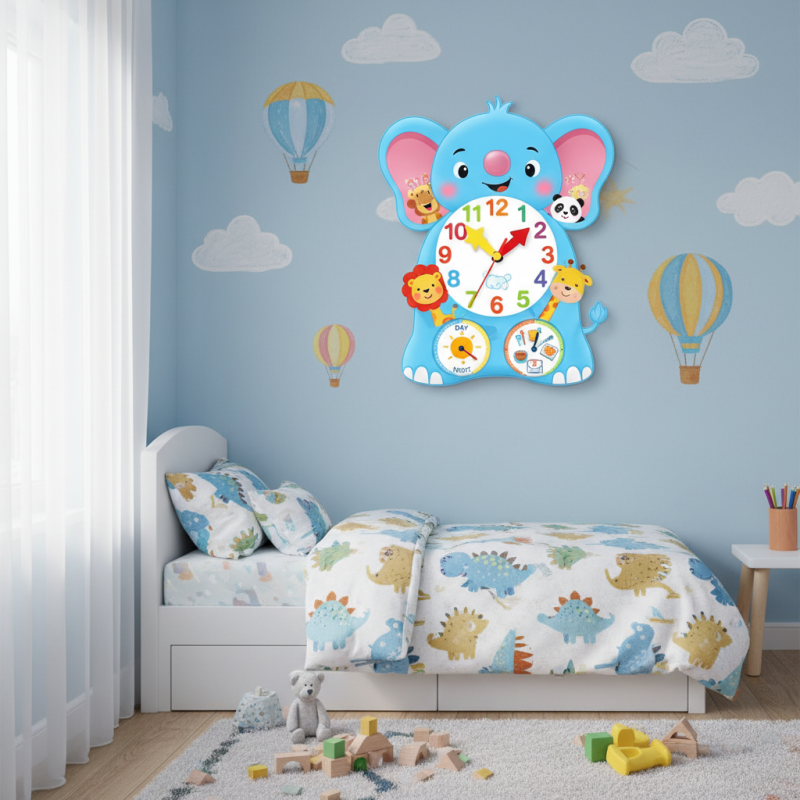
Clocks can play a vital role in a child's development. When children learn how to read time, they gain a sense of responsibility. This skill helps them manage their daily routines. Understanding time is not just about numbers. It is about learning patience and the importance of schedules. Having a clock in their room reinforces these concepts.
Tips: Choose a clock with clear numbers and hands. Bright colors can draw children's attention. Consider interactive clocks that teach time through fun activities. These options make learning enjoyable.
Clocks also foster independence. Children can learn to check the time and plan their tasks. This ability can promote better time management as they grow. However, some children may become frustrated if they struggle to grasp the concept of time. It’s important to provide support and encouragement at this stage.
Tips: Allow them to practice daily. Use timers for tasks like homework or chores. Celebrate small victories, as this boosts their confidence. Engage in discussions about time throughout the day. This can lead to a deeper understanding and appreciation for the concept.
Importance of Clocks in Child Development
Key Features to Look for in Kids' Clocks for Learning
When selecting a kids' clock, it’s vital to focus on features that enhance learning. Look for clocks that combine fun designs with educational components. A colorful, cartoon-themed clock can engage a child's interest. This makes learning to tell time an enjoyable experience.
Interactive elements, such as movable hands and sound effects, can reinforce understanding. Kids learn better by doing, so a tactile experience is key.
Clocks with clear, easy-to-read numbers are essential. This prevents confusion and promotes better learning outcomes. Consider clocks with both digital and analog displays. This variety can help children grasp the difference between the two formats. Some clocks also offer built-in bedtime routines. These features encourage good sleep habits while teaching the importance of time management.
While many clocks have great features, not all are user-friendly. Some may have complicated settings that frustrate kids. It’s important to choose a clock that is intuitive. If a clock has features your child doesn't use, it may not serve its purpose well.
Reflect on your child’s specific needs before making a purchase. A well-chosen clock can support learning and encourage independence in managing their time.
Age-Appropriate Clock Styles: Matching Clocks to Developmental Stages
When selecting a clock for your child's room, consider their age and developmental stage. Young toddlers may benefit from simple visual clocks. A clock with bright colors and clear shapes can capture their attention. Use clocks that highlight numbers and basic concepts of time to enhance their learning experience.
For preschoolers, fun and interactive clocks work well. Choose designs that teach time through engaging visuals. Clocks with moving parts or those that sound can spark interest. Incorporate a playful element, such as animal themes, to make learning time enjoyable.
Tips: Introduce clocks gradually. Start with recognizing numbers, then move to telling time. Use clock games to reinforce learning. Encourage kids to practice telling time daily. This interaction will enhance their understanding while making them comfortable with the concept. Remember, it’s okay to revisit lessons. Children learn at different paces, so patience is key. Look for clocks that will grow with your kids, adapting as they advance in their understanding of time.
Assessing Durability and Safety Standards for Kids' Clocks
When selecting a clock for your child's room, durability is key. Kids can be rough on their belongings. A clock that easily breaks isn’t practical. Look for clocks made from sturdy materials. Plastic or silicone designs can endure drops and bumps. Check for features that limit sharp edges. Smooth surfaces are safer for young children.
Safety standards are essential. Ensure the clock is free from harmful chemicals. Check for certifications that guarantee safety. Many clocks have passed tests for child safety. Pay attention to components that could pose choking hazards. Large clock hands can be safer than small ones, reducing risks.
Sometimes, parents overlook these aspects. A colorful design might distract from essential safety features. A fancy clock isn’t always the best choice. Balancing style with practicality ensures your child’s well-being. Regular inspection of the clock is important too. Replace batteries promptly to prevent leaks. Engage your child in the choice process. They will appreciate having a say and might handle the clock more carefully.
Incorporating Technology: Smart Clocks for Modern Children's Rooms
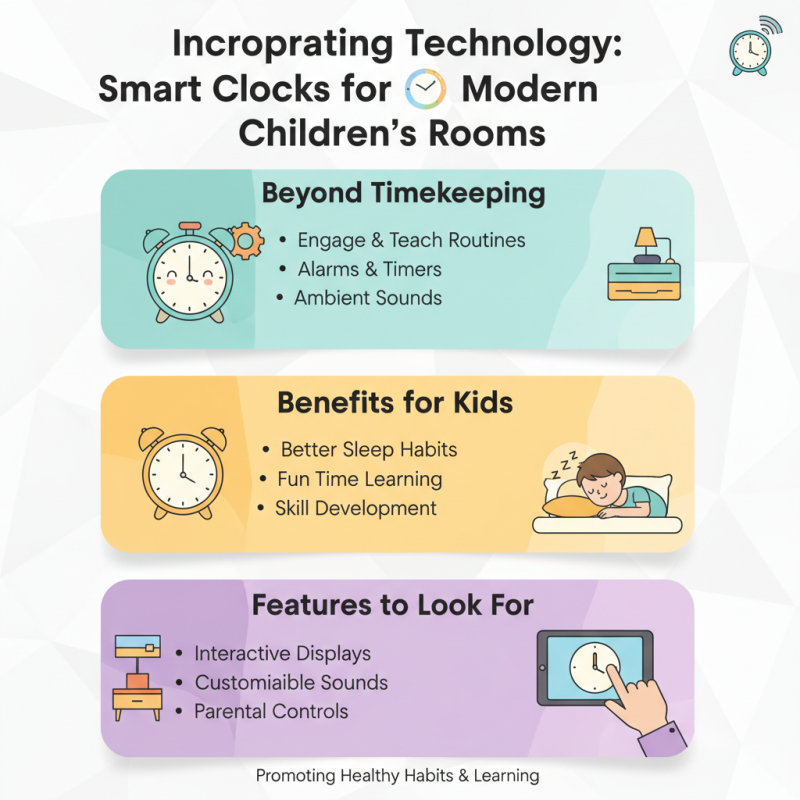
When choosing a clock for your child's room, consider smart technology. These clocks offer more than just timekeeping. They can engage kids and help them develop routines. Smart clocks can feature alarms, timers, and even ambient sounds. This promotes better sleep habits. Children can learn the concept of time in a fun way.
Interactive features can make time management enjoyable. Some smart clocks have colorful displays and can sync with apps. This allows parents to customize settings. Bright visuals capture a child's interest, while educational elements encourage learning. However, too many distractions can also challenge focus. Balancing engagement with simplicity is crucial.
Consider durability and usability when selecting a smart clock. Younger children might not handle tech devices well. Choose one that withstands a bit of rough play. While advanced features are appealing, make sure your child can easily understand how to use them. A complex interface may lead to frustration and confusion.