Dementia Clock Best Solutions for Daily Time Management?
Managing time can be a significant challenge for those with dementia. The "Dementia Clock" offers innovative solutions that cater to daily needs. Dr. Lisa Hartman, a leading expert in dementia care, states, “A simple clock can restore a sense of routine for individuals with dementia.” Her insights highlight the importance of tools that aid memory and awareness.
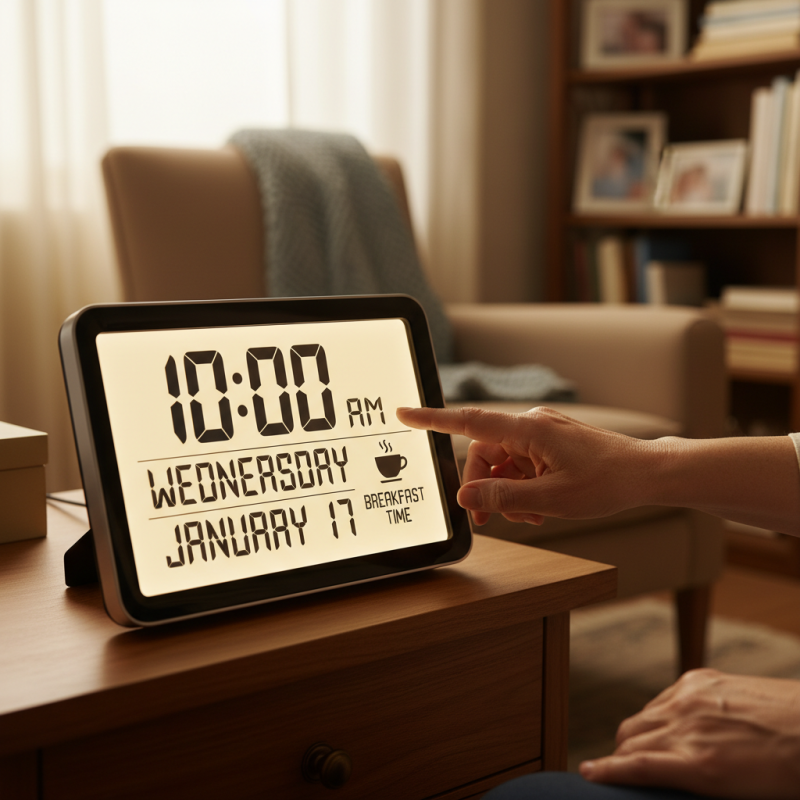
The "Dementia Clock" serves as more than just a timepiece. It acts as a guide, marking essential moments throughout the day. This can help users maintain daily rituals, which are crucial for their mental stability. For someone with dementia, confusion often reigns. A visual reminder can be life-changing, anchoring their day effectively.
Yet, reliance on such tools may prompt questions. Are we overcomplicating things? It’s easy to miss the emotional aspect of these daily routines. While the "Dementia Clock" provides structure, it is essential to remember that understanding and empathy are equally vital. Balancing technology and human touch is necessary in this journey.
Understanding Dementia and Its Impact on Daily Life
Dementia profoundly affects daily life. Many individuals experience confusion and difficulty keeping track of time. According to the Alzheimer’s Association, over 6 million Americans live with dementia. As the disease progresses, managing time becomes increasingly challenging.
Daily routines often crumble. Simple tasks like cooking or grooming can take hours. Individuals may forget appointments or miss vital social interactions. A lack of structure fosters anxiety. It becomes critical to implement strategies that offer stability. Using visual aids, like a large wall clock, can help. Visual reminders and consistent routines provide an anchor in a turbulent sea of confusion.
However, it’s not a perfect solution. Familiarity with the clock may fade. Frequent changes can disorient those with dementia. Caregivers often feel overwhelmed. Finding the right balance between support and independence is crucial. Understanding these nuances demands patience and ongoing reflection.
Key Challenges in Time Management for Individuals with Dementia
Managing time can be particularly challenging for individuals with dementia. Everyday routines often become difficult. Time perception can falter, leading to confusion and frustration. Moments can blend together. Appointments may be missed, which can cause anxiety for both caregivers and loved ones.
To aid in time management, establishing routines is crucial. Consistency helps anchor daily activities. Use visual aids, like clocks with clear numbers. Simple schedules that highlight key tasks can ease anxiety. Colors may further enhance recognition. Setting reminders on devices can also provide crucial cues.
Tips for caregivers include creating a calming atmosphere. Reducing distractions aids focus. Take a moment to breathe before an activity begins. Be patient. Encouraging independence is key, even on tougher days. Each small effort can lead to improvement. Some days might be harder, and it’s essential to reflect and adapt continuously.
Dementia Clock Best Solutions for Daily Time Management
| Dimension |
Description |
Best Solutions |
| Cognitive Impairment |
Difficulty in understanding time-related information. |
Visual Aids, Simplified Clocks |
| Memory Loss |
Forgetfulness regarding daily activities and appointments. |
Reminder Systems, Daily Planners |
| Orientation |
Confusion about time and place. |
Digital Clocks with Date and Location |
| Routine Establishment |
Challenges in maintaining a daily routine. |
Scheduled Activities with Visual Timers |
| Communication |
Difficulty in expressing time-related needs. |
Use of Symbols and Pictures |
Effective Tools and Technologies for Enhancing Daily Time Management
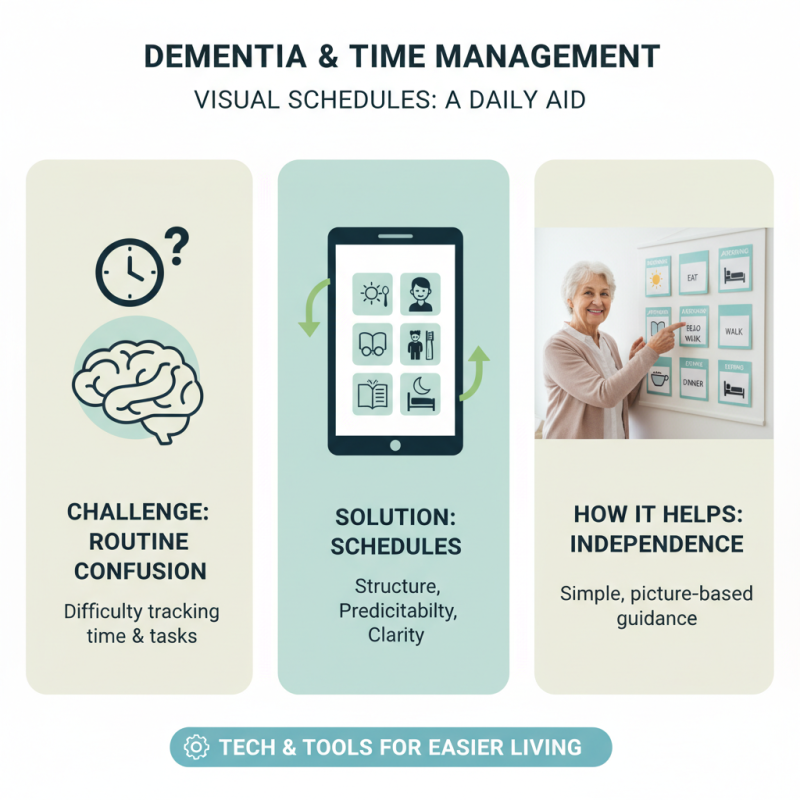
Managing time effectively can be a real challenge for those living with dementia. Specialized tools and technologies can help make daily life easier. Visual schedules are one effective option. They can clearly outline daily tasks, giving structure and predictability to the day. A simple wall chart with pictures of activities can guide individuals through their routines without confusion.
Digital reminders are also valuable. Using smartphones or digital assistants, caregivers can set alerts for important tasks. These reminders improve daily management. However, not everyone adapts well to technology. Sometimes, the constant alerts can feel overwhelming. Finding the right balance is important.
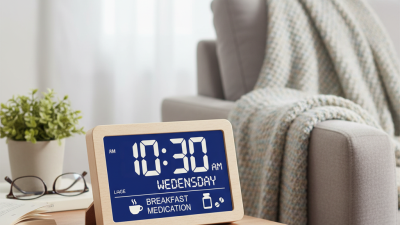
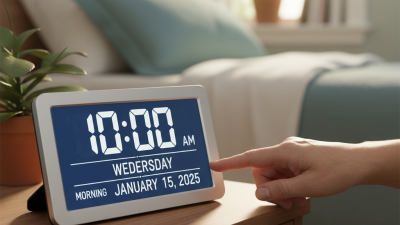
Another tool is a dementia clock. These clocks display not only the time but also the day and month. This can help counteract disorientation. But, adapting to new devices can take time. Users might feel frustrated if features are too complicated. It’s essential to ensure these tools meet their needs without adding stress. Regular practice with these devices can enhance comfort and confidence in daily time management.
Practical Strategies for Caregivers to Support Time Management
Managing time can be a significant challenge for individuals with dementia. Caregivers often face difficulties in helping their loved ones maintain a sense of routine. Simple tools can make a difference. Using large, clear clocks helps individuals recognize the time easily. Visual reminders for daily activities can reduce confusion about what comes next.
Incorporating color-coded schedules can be beneficial. For example, using different colors for morning, afternoon, and evening tasks can provide clear signals. Caregivers might find it helpful to involve the person in creating these schedules. This can foster a sense of ownership, even if adjustments are needed. It's essential to remain flexible, as not all strategies will work perfectly on every day.
The emotional impact of time management isn't always addressed. It's easy to overlook frustrations both caregivers and individuals may feel. Celebrating small victories in daily routines can encourage positivity. Reflecting on what strategies yield success or need tweaking can lead to improved outcomes. Remaining patient and understanding is vital as caregivers learn what best supports their loved ones.
Dementia Clock: Daily Time Management Strategies
Creating a Dementia-Friendly Environment for Better Time Awareness
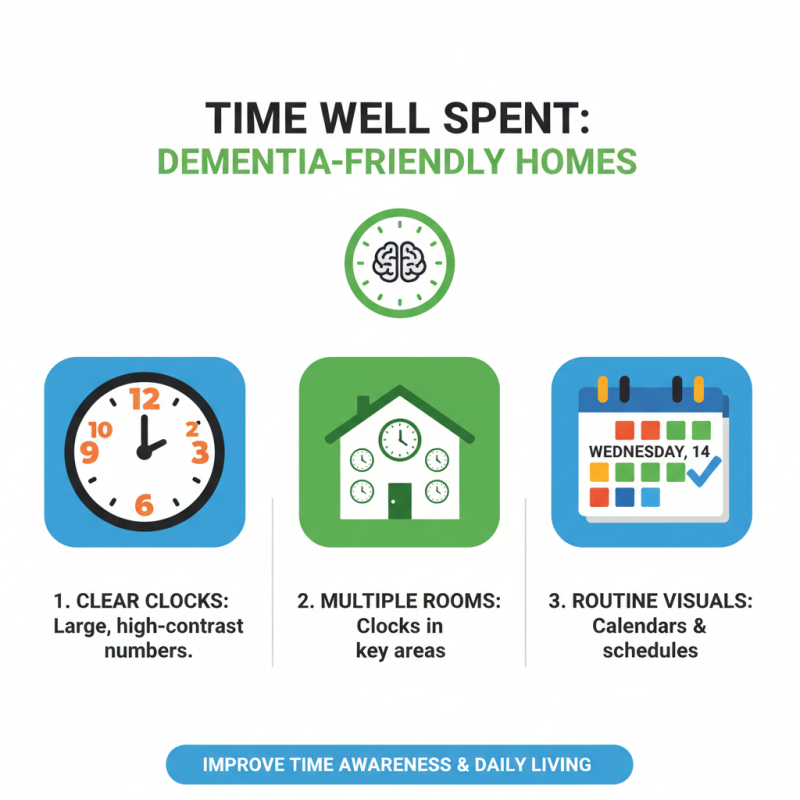
Creating a dementia-friendly environment can significantly improve time awareness for those living with cognitive decline. Simple changes in the home can help with daily time management. For instance, using large, clear clocks can make it easier to understand the time. Brightly colored numbers are visually stimulating and easier to read. Consider placing clocks in multiple rooms to assist with orientation.
Tips: Use contrasting colors for better visibility. A white background with black numbers can make a big difference. Make sure the clock ticks audibly, offering a rhythmic reminder of passing time.
Another effective method is to establish a daily routine. Structured schedules help create a sense of normalcy. Visual schedules with pictures or symbols as cues can guide daily activities. For example, a morning routine chart can show brushing teeth, breakfast, and getting dressed.
Tips: Keep routines consistent, but be flexible when needed. Use simple labels around the house to indicate times for specific activities. They can serve as helpful reminders. Remember to observe and adjust the environment based on individual needs. We all have areas to improve, and recognizing this is essential for caregiving.