10 Essential Tips for Choosing the Right Dementia Clock for Seniors
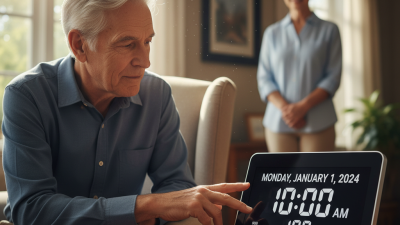
Choosing a suitable Dementia Clock for seniors can significantly enhance their daily lives. These specialized clocks are designed to support individuals dealing with cognitive impairments. They often include features that simplify time understanding, making them essential tools.
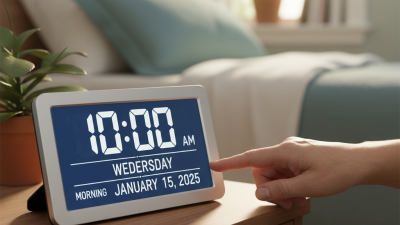
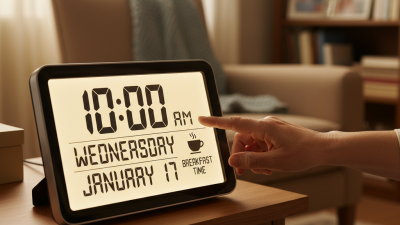
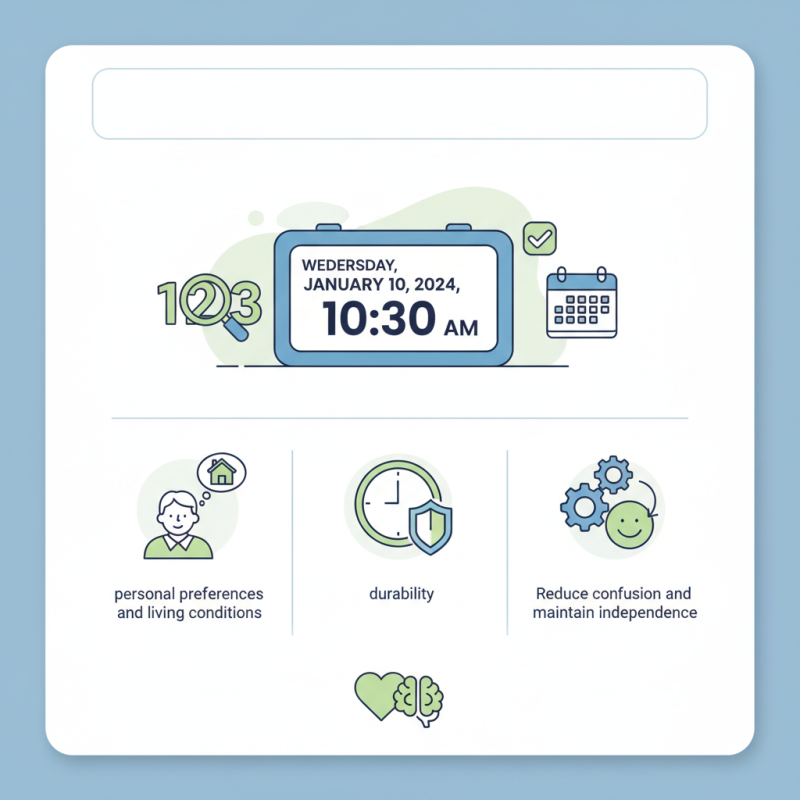
When selecting a Dementia Clock, consider its design and functionality. Some clocks display not only time but also the date and day, facilitating orientation. Others may feature large, bold numbers for improved visibility, essential for seniors with eyesight issues. Moreover, durability matters; choose a clock that withstands varying environments.
These tools aim to reduce confusion and help seniors maintain a semblance of independence. However, not every clock will suit every individual. Reflect on personal preferences and living conditions. Comfort and familiarity should guide your choice. Exploring these options thoughtfully can greatly impact daily routines and emotional well-being.
Understanding the Importance of Dementia Clocks for Seniors
Dementia clocks serve a crucial role in supporting seniors experiencing cognitive decline. These clocks are more than just timepieces. They provide clear visual cues to help users maintain a sense of time and routine. For someone with dementia, confusion about time can lead to anxiety. A well-designed clock can alleviate this by displaying the current day, date, and even the time in larger, easy-to-read formats.
When choosing a dementia clock, consider features that cater specifically to seniors. Clocks with contrasting colors enhance visibility. Some models even feature verbal announcements of the time and date. This auditory reinforcement can be beneficial. Additionally, clocks with alarms or reminders can assist in establishing daily routines. These features become essential, especially if family members cannot be present throughout the day.
It's important to remember that not all clocks are the same. Individual preferences and needs vary widely. Some seniors may feel overwhelmed by too many features. Gradually introducing a new clock can ease this transition. Consider a trial period to assess whether a clock meets the user's specific needs. This careful selection process fosters independence while ensuring comfort and support for those navigating dementia's challenges.
Key Features to Consider in Dementia Clocks
When selecting a dementia clock for seniors, certain features can significantly impact usability and comfort. Research shows that clear display characteristics, such as large text and high-contrast colors, help enhance visibility. A study published by the Alzheimer's Association found that over 60% of seniors with dementia struggle to read standard clock displays. Therefore, large numbers and simple designs are essential for reducing confusion.
Another crucial aspect is the inclusion of auditory cues. Clocks that announce the time verbally can be beneficial for those with significant cognitive decline. Specialists recommend clocks that provide customizable alarm features, allowing caregivers to set reminders for essential activities, such as medication or mealtimes. In fact, a report from the National Institute on Aging highlights that structured routines support memory and organization for individuals with dementia.
Moreover, consider user-friendliness with minimal buttons and straightforward instructions. A complex setup can lead to frustration and abandonment of the device. Data reveals that while many families invest in high-tech solutions, user-centered designs that prioritize simplicity are often overlooked. This can hinder the effectiveness of dementia clocks in daily life, leading to disappointment and inefficiency.
Choosing the Right Display: Digital vs. Analog Clocks
When choosing a dementia clock for seniors, the display type is crucial. Digital and analog clocks each offer unique benefits. Digital clocks are often easier to read. They display clear, large numbers that stand out. This simplicity can be particularly helpful for seniors with visual impairments. Many digital models also show the date and time simultaneously. This feature helps users maintain a better sense of time and routine.
On the other hand, analog clocks can provide a familiar touch. The traditional face may evoke memories for older adults. They often find comfort in recognizing the way time has been represented for decades. However, analog clocks can be more challenging to read for some. The hands may be confusing, especially if the person has cognitive difficulties. It's important to consider the individual’s preferences. Some may thrive with a classic look, while others may need the clarity of a digital display.
Ultimately, the decision should reflect the needs and comfort of the senior. It may be useful to try different clocks before making a final choice. Observing which type the individual interacts with more can be revealing. Choosing the right clock is about more than aesthetics; it's about enhancing daily life and aiding in familiar routines.
10 Essential Tips for Choosing the Right Dementia Clock for Seniors
| Feature |
Digital Clock |
Analog Clock |
| Readability |
High, clear numbers and display |
Moderate, depends on size and contrast |
| Simplicity |
Straightforward, often large digits |
More complex; requires interpretation of hands |
| Features |
Many with alarms, date, time, and reminders |
Limited features; mainly tells time |
| Size |
Usually compact or wall-mounted options |
Can be larger for visibility |
| Battery vs. Plug |
Often battery-operated |
Typically plug-in |
| Sound Alerts |
May include customizable alarms |
Usually silent; no alerts |
| Durability |
Varies by model, typically not very robust |
Generally more robust, especially wall-mounted |
| Ease of Use |
User-friendly interfaces |
Requires understanding of clock mechanics |
| Cost |
Range from affordable to moderately priced |
Generally lower cost, especially basic models |
| Overall Recommendation |
Good for those needing reminders and clarity |
Recommended for traditional users and simple needs |
Design and Usability: Enhancing Accessibility for Seniors
When selecting a dementia clock for seniors, design and usability are crucial. A clock should be easy to read and understand. Bold numerals and a simple layout can reduce confusion. Clear indications of the time and date help seniors maintain a sense of routine. It's essential to avoid overly complex designs. Some clocks have additional features that may overwhelm. Focus on straightforward functionality.
Tip: Consider adjustable brightness. A clock that adapts to different lighting can enhance visibility. Some seniors may struggle with dim lighting. A feature like this can greatly improve usability.
Accessibility is paramount. Look for clocks with a simple interface. A complicated setup can lead to frustration. Additionally, tactile buttons can provide a more engaging experience. Seniors should feel empowered, not hindered, by their devices.
Tip: Include alarms and reminders. A clock that can alert seniors for medication or appointments can be invaluable. It provides structure and support in their daily lives. Remember to choose a product that aligns with their needs and preferences.
Price and Budget Considerations When Selecting a Dementia Clock
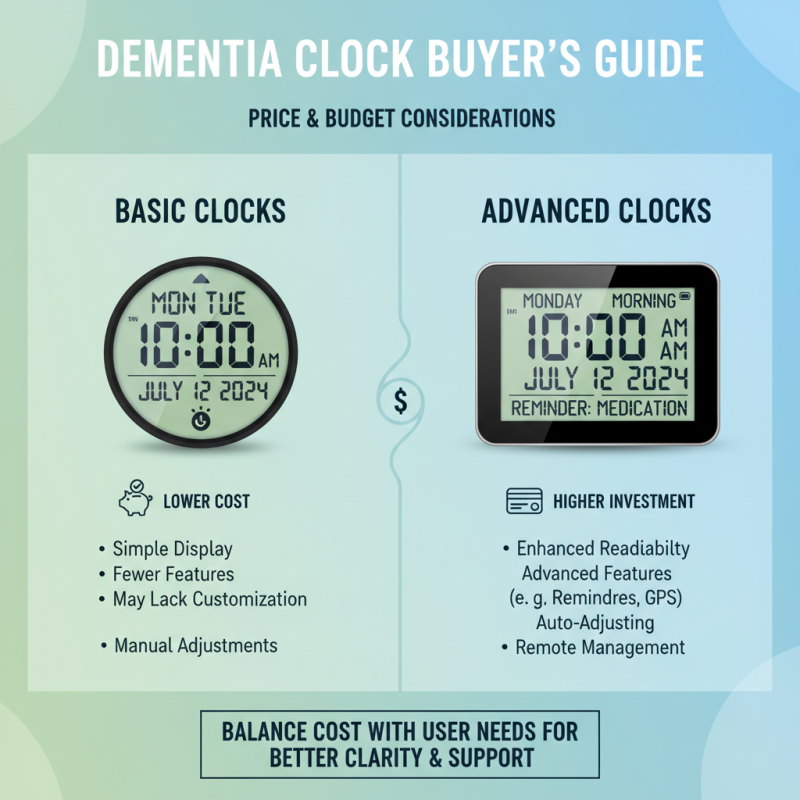
Choosing a dementia clock involves understanding your budget and pricing options. Prices can vary widely. Some clocks are very basic, while others offer advanced features. Simple designs may cost less, but they might not meet all your loved one’s needs. Investing more may provide better usability and clarity.
When assessing costs, consider the features necessary for your loved one. A clock that displays date, time, and reminders can help seniors manage their day-to-day activities. Look for options that provide easy-to-read displays. Extra features can drive up the price but may enhance the user experience. Think carefully about what is truly needed. Sometimes, less expensive models may be just as effective.
It’s crucial to balance affordability and quality. A higher price doesn’t always guarantee better performance. Don’t rush the decision; take time to research. Engage with caregivers or specialists for insights. This can help prevent mistakes that could lead to dissatisfaction later. Make your choice wisely.