Top Features of Dementia Clock for Global Buyers?
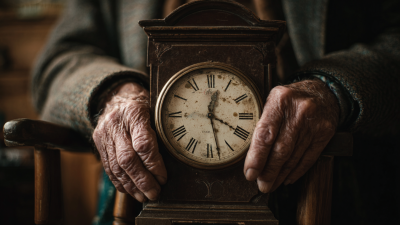
The Dementia Clock is more than just a timekeeping device. It serves as a lifeline for individuals navigating the challenges of dementia. By offering clear visuals and simple functionality, it helps users maintain a connection to time. This connection is crucial for those affected as it fosters independence.
Today's caregivers seek reliable solutions. A well-designed Dementia Clock can enhance daily routines. Features like large fonts and contrasting colors make it accessible. Its ability to display reminders adds another layer of support. These elements empower users and can lead to improved mental well-being.
While the Dementia Clock shows promise, it is essential to consider its limitations. Not every user may find comfort in technology. Some may feel overwhelmed or confused. Therefore, understanding individual needs is vital. By addressing these concerns, better outcomes can be achieved for those experiencing dementia.
Key Functions of Dementia Clocks for Enhanced Daily Living
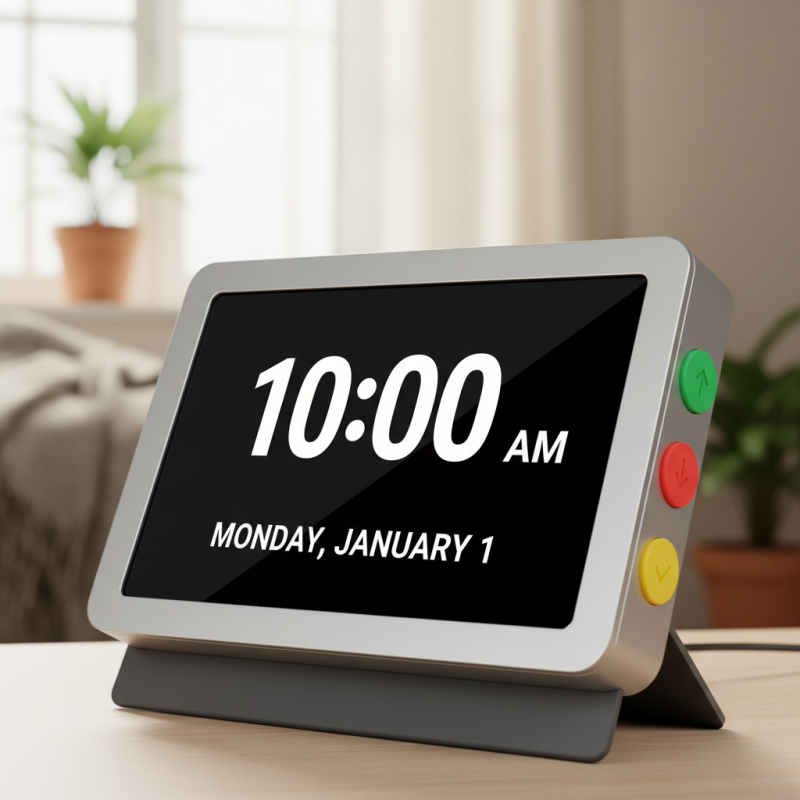
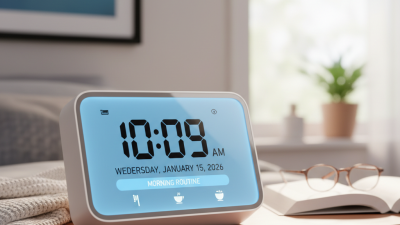
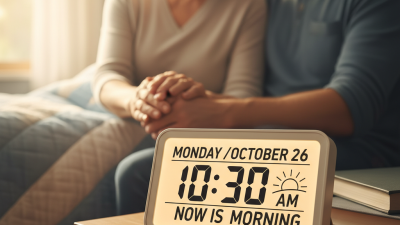
Dementia clocks serve a vital role in enhancing daily living for those affected by cognitive decline. These devices provide essential information at a glance. They typically display the time, date, and day of the week, making it easier for users to orient themselves. A clear visual presentation is crucial. Large fonts help those with vision impairments. Many models come with adjustable brightness for different lighting conditions.
Additionally, some dementia clocks feature alarms and reminders. These can help individuals remember important tasks or appointments. Consistent routines are beneficial in managing dementia symptoms. However, it's important to choose a model that fits the individual's needs. Some users may find the technology overwhelming. Simple designs often work best for enhancing usability. Caregivers should ensure the clock is easy to read and operate.
Another significant aspect is the customizable settings. Users may prefer different colors or fonts for better visibility. Feedback from family members or caregivers can guide these choices. Understanding the unique preferences of each individual is key. While dementia clocks are valuable tools, their effectiveness ultimately relies on thoughtful implementation and personal adaptation.
User-Friendly Design Features for Dementia Clocks
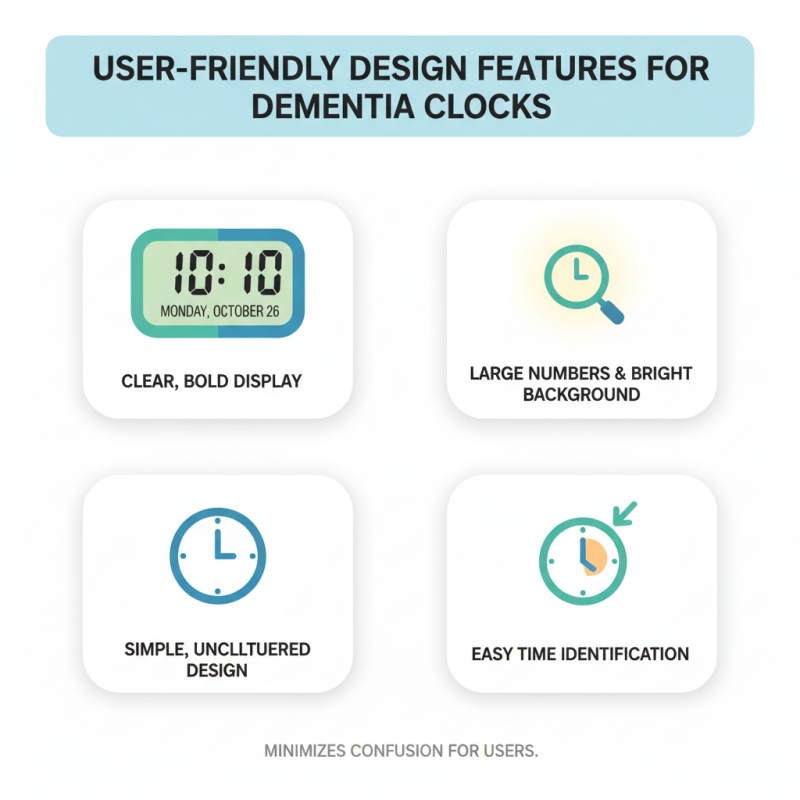
Dementia clocks cater specifically to the needs of individuals with memory impairment. These clocks feature clear, bold displays, making time easily readable. Many models include large numbers and a bright background, ensuring visibility even from a distance. Simple designs minimize confusion, which is crucial for users. Users should identify the current time without unnecessary distractions.
User-friendly interfaces enhance usability. Some clocks feature verbal announcements of the time and date, aiding those who may struggle with visual impairments. Intuitive buttons provide quick access to features. Clocks often come with a dual display, showing both traditional and digital formats. This helps users adapt to different preferences.
Yet, not all designs are perfect. Some clocks might lack adjustable brightness, making them too harsh at night. Users should consider personal preferences for color schemes as contrasting hues can sometimes be jarring. Feedback from caregivers and users is vital. They can address common pain points and suggest necessary adjustments. Enhancing these products will improve daily life for those with dementia.
Integration of Visual and Auditory Cues in Dementia Clocks
Dementia clocks play a vital role in supporting individuals navigating memory loss. One significant feature is the integration of visual and auditory cues. These clocks often display large, clear numbers, making it easier to read the time. High-contrast colors enhance visibility, which is crucial for those with cognitive impairment.
Auditory cues can also serve as reminders. Chimes or spoken announcements of the time can help individuals stay oriented throughout the day. This combination reinforces temporal understanding. It creates a consistent structure that can be comforting, but it raises questions about overstimulation.
Some users may find frequent auditory reminders distracting, leading to frustration. Balancing these features is essential. A clock should enhance independence while contributing to a calm environment. Manufacturers need to consider feedback from caregivers and users to find that balance. This ongoing dialogue will help improve designs for everyone affected by dementia.
Customization Options for Personalizing Dementia Clocks
Dementia clocks are essential tools for individuals caring for dementia patients. They help maintain a sense of time and reality. Customization options play a critical role in making these clocks more effective and personal. Buyers often seek features that cater to the unique needs of users, ensuring a supportive environment.
Personalizing these clocks can greatly enhance their impact. Simple customizations like color schemes can align with the user’s preferences. You can choose large fonts for easy readability. Some clocks allow you to display photos, making them more familiar and comforting. Consider adding specific reminders or messages, making daily life easier.
Tips for selecting the right customization options include assessing the user's lifestyle and preferences. Choose a color that evokes calmness. Ensure functionality by opting for a clock that highlights time zones, especially if family members live far away. Think about the type of information to display; sometimes less is more. Exploring various designs can also spark joy and connection. Personal touches can drastically change how a clock serves its purpose.
Top Features of Dementia Clock
Durability and Reliability Factors in Dementia Clock Selection
When selecting a dementia clock, durability and reliability are crucial factors. The elderly often encounter challenges with traditional timekeeping devices. A well-designed clock should withstand daily wear and tear, particularly in homes with seniors. High-quality materials play a key role in durability. The clock should resist scratches and avoid breakage from accidental falls.
Furthermore, reliability is paramount for users. A clock that consistently keeps accurate time fosters a sense of security. This aids individuals affected by dementia in maintaining daily routines. A clear display, with easy-to-read numbers, enhances usability. Keeping it simple is vital; excessive complexity may lead to confusion.
Routine evaluation of product features can enhance your selection process. The weight of the clock also matters; lighter models may be easier for seniors to handle. However, too light might mean poor stability. Sometimes, it's necessary to choose a heavier option for robustness. Reflecting on these aspects can guide better choices for loved ones with dementia.