China Top Dementia Clock Features and Benefits for Caregivers?
Dementia is a growing concern globally. According to the World Health Organization, over 55 million people live with dementia. This number is expected to rise significantly. In China, the elderly population is increasing rapidly, making dementia care a pressing issue. The introduction of innovative tools, like the Dementia Clock, is essential for caregivers.
The Dementia Clock is designed specifically for individuals with cognitive challenges. It provides clear visual cues for time and date, which is crucial for those who may struggle with orientation. Caregivers report that these clocks reduce anxiety and provide comfort. Studies show that using such tools can enhance the quality of life for dementia patients. A recent survey indicated that nearly 70% of caregivers found the Dementia Clock effective in their daily routines.
However, challenges remain. Not all caregivers are aware of the benefits of specialized tools like the Dementia Clock. Training and education are needed to maximize its potential. As more caregivers embrace technology, they can improve the care of loved ones with dementia. The future of dementia care may very well depend on such innovative solutions.
Overview of China's Top Dementia Clock Technology
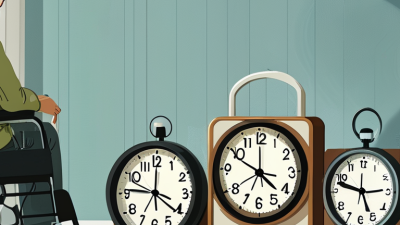
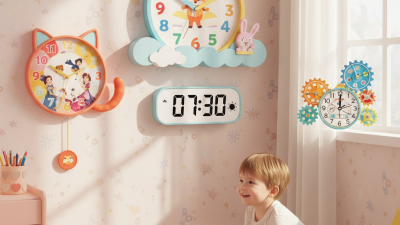
Dementia clocks in China represent a remarkable advancement in caregiver support. These clocks incorporate visual and audio cues to help individuals with cognitive decline. Bright colors and large fonts display time, date, and reminders clearly. This design caters to users with varying degrees of memory loss, making daily routines easier to follow.
The technology behind these clocks often includes alarms and programmable reminders. Caregivers can set notifications for medication, meals, or appointments. Such features provide structure to daily life, reducing confusion and anxiety for patients. Feedback from caregivers indicates that these tools may enhance communication, fostering a sense of independence for those affected by dementia.
While the clocks offer essential benefits, they are not a one-size-fits-all solution. Some users may struggle to adapt to the technology, leading to frustration. Caregivers must observe how their loved ones interact with these devices and adjust accordingly. This calls for patience and ongoing learning, making the caregiving experience a collaborative effort rather than a straightforward task.
Key Features of Dementia Clocks for Caregiving Efficiency
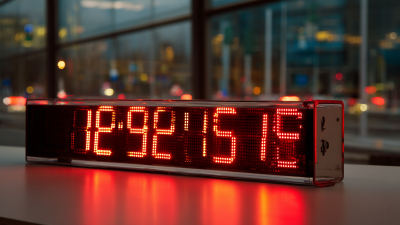
Dementia clocks are essential tools for caregivers. They offer features that simplify daily routines. Many models have large, easy-to-read displays. This can help individuals with dementia easily understand the time and date. Caregivers appreciate clocks that provide reminders for medication or activities. These features enhance caregiving efficiency.
Some dementia clocks include visual cues, like color coding. This makes it easy to interpret time at a glance. Simple designs reduce confusion. The clarity of these clocks can significantly impact daily life. However, not all clocks have user-friendly interfaces. Caregivers must consider the individual needs of those they assist.
Incorporating alarms and alerts is beneficial too. A gentle reminder can prompt important tasks. Yet, caregivers sometimes find it challenging to adjust settings. It is crucial to evaluate how these features serve the person with dementia. Reflection on the effectiveness of each clock is vital for making informed decisions.
Benefits of Using Dementia Clocks for Caregivers
Dementia clocks offer crucial support for caregivers. Research indicates that over 50 million individuals globally are living with dementia. Such statistics highlight the rising demand for effective caregiving tools. These clocks provide clear visual indicators of time and date, assisting patients in orienting themselves throughout the day. Many caregivers find that these simple devices reduce anxiety for their loved ones.
The benefits extend beyond mere functionality. Studies show that using dementia clocks can enhance communication between patients and caregivers. A report from the Alzheimer's Association states that 90% of caregivers noticed improved daily routines for those they care for. This positive change often leads to greater peace of mind for caregivers, who are essential in providing emotional and physical support.
However, caregivers should not overlook the potential challenges. Some individuals may initially resist using such tools. Adjusting to new routines can be difficult. The evolving landscape of dementia care calls for patience and understanding. With time, the right tools can foster independence and dignity for those living with dementia, creating a more supportive environment for everyone involved.
Practical Applications of Dementia Clocks in Daily Care
Dementia clocks serve as an essential tool for caregivers managing daily care routines. These devices provide clear time display and incorporate additional features like date and day of the week. This clarity can greatly assist individuals struggling with cognitive decline. For caregivers, these clocks offer a sense of structure. They guide daily activities, like meal times or medication reminders, making routines easier to follow.
In practical applications, dementia clocks can help reduce anxiety in patients. A simple glance at the clock can reaffirm the present time and moment. This reduces confusion about daily tasks and fosters a stable environment. Caregivers report that some patients become more engaged with their surroundings when a dementia clock is present. It invites discussions about time and the day ahead, encouraging interaction.
Deciding the best placement for these clocks is crucial. A well-positioned clock can instantly capture attention. Yet, some caregivers express uncertainty about this. Each household is unique, and patients respond differently. Experimenting with placements may be necessary. Reflection on these small adjustments can lead to better outcomes. The goal is to create a comforting care routine while ensuring the individual's dignity and respect.
China Top Dementia Clock Features and Benefits for Caregivers
| Feature |
Description |
Benefits for Caregivers |
| Large Display |
High-contrast digits that are easy to read. |
Reduces frustration in reading time for patients, easing caregiver tasks. |
| Multiple Time Formats |
Displays both 12-hour and 24-hour formats. |
Accommodates user preferences, helping caregivers personalize care. |
| Voice Alerts |
Audible reminders of appointments and medication times. |
Supports caregivers in managing schedules effectively. |
| Calendar and Date Display |
Shows the day of the week, month, and date. |
Helps patients orient themselves, making it easier for caregivers to communicate. |
| Customizable Settings |
Allows adjustments for brightness, sound, and display information. |
Enhances user experience and caregiver satisfaction with the device. |
User Feedback and Experiences with Dementia Clocks in China
In recent years, dementia clocks have gained attention in China as caregivers seek solutions to ease the challenges of providing care. User feedback reveals a mix of experiences, highlighting both the benefits and limitations of these devices. Many caregivers appreciate the clear displays that provide reminders, time, and dates, helping their loved ones manage daily routines. The simplicity of these clocks is often noted. Some users find that they reduce confusion for patients, allowing for better engagement throughout the day.
However, not all feedback is positive. Some caregivers report that the clocks can be too complicated for certain users. Despite simple designs, various features may overwhelm individuals with advanced dementia. Experiences suggest that customization is essential; clocks need to cater to specific needs. Caregivers often expressed frustration when trying to set up these devices or when they malfunctioned. It highlights the importance of reliable technology that truly meets the unique needs of those with dementia.
Overall, user experiences indicate that while dementia clocks can provide significant support, they are not a one-size-fits-all solution. Caregivers must balance functionality with ease of use. As demand grows, continual improvement and user-centered designs are crucial for enhancing the quality of life for both patients and caregivers.